
US Open Women’s final preview: Sabalenka vs Rybakina

The latest stories
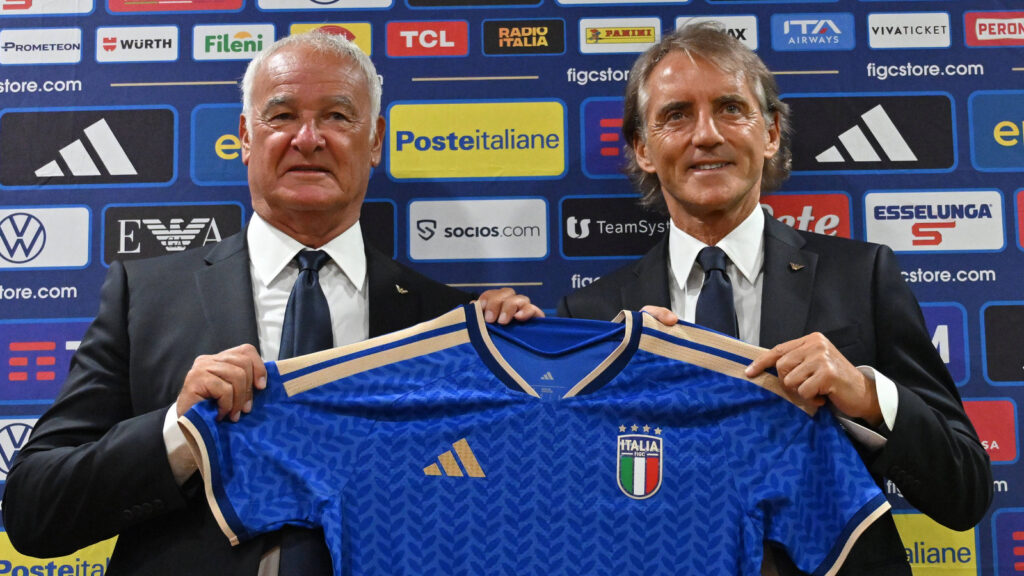
Italy, Nearly 70 Pre-Selections for Mancini: Squad List Announced Tomorrow, Spotlight on a New Generation
17 Sept 2026
Pure Class Raphinha
17 Sept 2026
Serie A has 14 players in the top 50, but only five are Italian
17 Sept 2026
From Robbery to DiaLise: Can Bayern’s new wing duo create their own legacy?
17 Sept 2026
Estudiantes oust Corinthians in Libertadores
17 Sept 2026
Barcelona 7-2 Real Racing Club: Raphinha hat-trick and big numbers
16 Sept 2026
Benfica beat AC Milan 2-0 at San Siro: stats and stars
16 Sept 2026US Open Women’s final preview: Sabalenka vs Rybakina
No. 1 seed Aryna Sabalenka meets No. 2 seed Elena Rybakina in the US Open, Women singles final on the hard courts of Arthur Ashe Stadium in New York. It is the matchup many expected, and the numbers suggest a tight finish. Both arrive unbeaten across six matches at this event, both carry serious serve power, and their rivalry sits perfectly balanced. You can follow the showdown on the Sofascore match page and explore the tournament hub for more context on the US Open, Women.
No. 1 vs No. 2: Head to head at a glance
This rivalry is level at 5-5 in official meetings tracked here, which fits a final that feels 50-50 on paper. The recent trend tilts slightly to Sabalenka, who has taken three of the last five, including wins in Indian Wells and Miami earlier this season. Rybakina answered with big wins of her own at the Australian Open and the WTA Tour Finals stretch in the recent past, so momentum between them tends to swing. This is a history built across major stages such as Melbourne, Indian Wells, and year-end finals, which raises the comfort level for both players on the US Open stage.
The pair know each other’s patterns, and that familiarity often turns these contests into fine-margin affairs. Their last five completed matches read Sabalenka 3-2, a slim edge but enough to matter psychologically. Each has beaten the other in straight sets and in three, so the scoreline rarely follows a script. With the head to head tied and the recent series close, small shifts on serve or return could decide the title.
Serve power and first-strike tennis
Both finalists have piled up aces across six matches, with Rybakina at 42 and Sabalenka at 39. Sabalenka has landed about 66% of first serves, a healthy clip that sets up early aggression. Rybakina’s first serve percentage sits around 58%, yet she has won an impressive 80% of those points, the best single metric in this final. That tradeoff is fascinating, one player putting more first serves in, the other winning a higher share when they do land.
On second serves the gap narrows, with Sabalenka winning about 59% and Rybakina just over 55%. Both have kept double faults under control at 16 apiece across the event, roughly 2.7 per match. Sabalenka’s tiebreak record is 2-0 this fortnight, while Rybakina is 1-0, so neither has blinked under pressure. If this becomes a first-strike battle, the opening shot after the serve and the depth off the return will be just as important as raw ace counts.

Return pressure and key moments
Break-point numbers show two aggressive returners who can turn sets quickly. Sabalenka has created 54 break chances and converted 46% of them, a strong rate for this stage of a Slam. Rybakina has built 52 chances and converted about 40%, slightly lower but still effective across six wins. Sabalenka has faced 21 break points and saved 52% of them, while Rybakina has faced only 17 and saved close to 59%.
Those figures hint that Rybakina has kept her service games a touch cleaner, but Sabalenka has applied more sustained pressure in return games. The balance might come down to who protects their second serve late in sets, since both sit in the mid to high 50s there. Winners and errors also paint a picture, with Sabalenka at 162 winners to 120 unforced errors, and Rybakina at 131 winners to 136 errors. If Sabalenka sustains that winners-to-errors gap, she gains scoreboard momentum, yet Rybakina’s steadier service holds could blunt those spurts.

Arthur Ashe setting and what the numbers suggest
Hardcourt outdoor conditions usually reward clean power, early depth and confident second serves. Both players fit that brief, and their combined 81 aces this tournament underline how often they control service games. Sabalenka has struck a slightly higher first-serve percentage, which can settle nerves early in sets. Rybakina has the top-end first-serve efficiency, which regularly flips 30-all into game point.
With both unbeaten in tiebreaks this fortnight, a long set feels likely. The match could hinge on a handful of return games that stretch to deuce, especially if either player dips on the second delivery. Expect quick holds, short rallies off the first ball, and bursts of pressure on any serve that drops short. Given how close the head to head and the tournament stats are, a deciding set would surprise no one in New York.
Statistical breakdown
Aryna Sabalenka comes in as the top seed with six wins from six and a serving platform that travels well on hard courts. Her first-serve percentage near 66% pairs with about 72% of first-serve points won, which lets her swing freer on return games. The 162 winners across the event show sustained aggression, and the positive winners-to-errors gap suggests controlled power. Her 2-0 record in tiebreaks this fortnight also signals poise when sets tighten.
On return, Sabalenka has generated 54 break chances, converting 25 of them. That conversion rate near 46% is a key lever in finals, where chances are scarce. If she keeps double faults at the current average and maintains the 59% second-serve points won, her baseline first strike should hold up under pressure. Look for her to test Rybakina’s backhand return early and often.
Elena Rybakina brings a serve that can take the racquet out of an opponent’s hands. She has produced 42 aces and won about 80% of first-serve points, the standout stat of this matchup. Even with a lower first-serve percentage, that success rate makes her holds feel efficient and repeatable. The second serve sits around 55% points won, so the key is protecting that delivery in tight moments.
Rybakina has faced only 17 break points in six matches and saved close to 59% of them, the cleaner protection number in this final. Her overall winners tally is lower than Sabalenka’s, but so is her exposure on serve, which shortens sets in her favor. If she lifts her return conversion slightly above 40% or draws a few extra errors with deep, flat replies, the dynamic shifts her way. Watch for her to stretch Sabalenka wide on deuce court serves and close quickly at the next ball.
This final has the look of a classic strength-on-strength battle, with two elite servers and confident returners settling fine margins. You can track live points, stats and the post-match Sofascore Rating on the Sofascore match page, and browse the wider picture on the US Open, Women tournament page. However it breaks, No. 1 vs No. 2 on Arthur Ashe feels like the right ending for New York. Settle in for big serves, bold swings and a title decided by inches.
Last match
 US Open, Women



The latest stories
Italy, Nearly 70 Pre-Selections for Mancini: Squad List Announced Tomorrow, Spotlight on a New Generation
17 Sept 2026Pure Class Raphinha
17 Sept 2026Serie A has 14 players in the top 50, but only five are Italian
17 Sept 2026From Robbery to DiaLise: Can Bayern’s new wing duo create their own legacy?
17 Sept 2026Estudiantes oust Corinthians in Libertadores
17 Sept 2026Barcelona 7-2 Real Racing Club: Raphinha hat-trick and big numbers
16 Sept 2026
No. 1 seed Aryna Sabalenka meets No. 2 seed Elena Rybakina in the US Open, Women singles final on the hard courts of Arthur Ashe Stadium in New York. It is the matchup many expected, and the numbers suggest a tight finish. Both arrive unbeaten across six matches at this event, both carry serious serve power, and their rivalry sits perfectly balanced. You can follow the showdown on the Sofascore match page and explore the tournament hub for more context on the US Open, Women.
No. 1 vs No. 2: Head to head at a glance
This rivalry is level at 5-5 in official meetings tracked here, which fits a final that feels 50-50 on paper. The recent trend tilts slightly to Sabalenka, who has taken three of the last five, including wins in Indian Wells and Miami earlier this season. Rybakina answered with big wins of her own at the Australian Open and the WTA Tour Finals stretch in the recent past, so momentum between them tends to swing. This is a history built across major stages such as Melbourne, Indian Wells, and year-end finals, which raises the comfort level for both players on the US Open stage.
The pair know each other’s patterns, and that familiarity often turns these contests into fine-margin affairs. Their last five completed matches read Sabalenka 3-2, a slim edge but enough to matter psychologically. Each has beaten the other in straight sets and in three, so the scoreline rarely follows a script. With the head to head tied and the recent series close, small shifts on serve or return could decide the title.
Serve power and first-strike tennis
Both finalists have piled up aces across six matches, with Rybakina at 42 and Sabalenka at 39. Sabalenka has landed about 66% of first serves, a healthy clip that sets up early aggression. Rybakina’s first serve percentage sits around 58%, yet she has won an impressive 80% of those points, the best single metric in this final. That tradeoff is fascinating, one player putting more first serves in, the other winning a higher share when they do land.
On second serves the gap narrows, with Sabalenka winning about 59% and Rybakina just over 55%. Both have kept double faults under control at 16 apiece across the event, roughly 2.7 per match. Sabalenka’s tiebreak record is 2-0 this fortnight, while Rybakina is 1-0, so neither has blinked under pressure. If this becomes a first-strike battle, the opening shot after the serve and the depth off the return will be just as important as raw ace counts.
Return pressure and key moments
Break-point numbers show two aggressive returners who can turn sets quickly. Sabalenka has created 54 break chances and converted 46% of them, a strong rate for this stage of a Slam. Rybakina has built 52 chances and converted about 40%, slightly lower but still effective across six wins. Sabalenka has faced 21 break points and saved 52% of them, while Rybakina has faced only 17 and saved close to 59%.
Those figures hint that Rybakina has kept her service games a touch cleaner, but Sabalenka has applied more sustained pressure in return games. The balance might come down to who protects their second serve late in sets, since both sit in the mid to high 50s there. Winners and errors also paint a picture, with Sabalenka at 162 winners to 120 unforced errors, and Rybakina at 131 winners to 136 errors. If Sabalenka sustains that winners-to-errors gap, she gains scoreboard momentum, yet Rybakina’s steadier service holds could blunt those spurts.
Arthur Ashe setting and what the numbers suggest
Hardcourt outdoor conditions usually reward clean power, early depth and confident second serves. Both players fit that brief, and their combined 81 aces this tournament underline how often they control service games. Sabalenka has struck a slightly higher first-serve percentage, which can settle nerves early in sets. Rybakina has the top-end first-serve efficiency, which regularly flips 30-all into game point.
With both unbeaten in tiebreaks this fortnight, a long set feels likely. The match could hinge on a handful of return games that stretch to deuce, especially if either player dips on the second delivery. Expect quick holds, short rallies off the first ball, and bursts of pressure on any serve that drops short. Given how close the head to head and the tournament stats are, a deciding set would surprise no one in New York.
Statistical breakdown
Aryna Sabalenka comes in as the top seed with six wins from six and a serving platform that travels well on hard courts. Her first-serve percentage near 66% pairs with about 72% of first-serve points won, which lets her swing freer on return games. The 162 winners across the event show sustained aggression, and the positive winners-to-errors gap suggests controlled power. Her 2-0 record in tiebreaks this fortnight also signals poise when sets tighten.
On return, Sabalenka has generated 54 break chances, converting 25 of them. That conversion rate near 46% is a key lever in finals, where chances are scarce. If she keeps double faults at the current average and maintains the 59% second-serve points won, her baseline first strike should hold up under pressure. Look for her to test Rybakina’s backhand return early and often.
Elena Rybakina brings a serve that can take the racquet out of an opponent’s hands. She has produced 42 aces and won about 80% of first-serve points, the standout stat of this matchup. Even with a lower first-serve percentage, that success rate makes her holds feel efficient and repeatable. The second serve sits around 55% points won, so the key is protecting that delivery in tight moments.
Rybakina has faced only 17 break points in six matches and saved close to 59% of them, the cleaner protection number in this final. Her overall winners tally is lower than Sabalenka’s, but so is her exposure on serve, which shortens sets in her favor. If she lifts her return conversion slightly above 40% or draws a few extra errors with deep, flat replies, the dynamic shifts her way. Watch for her to stretch Sabalenka wide on deuce court serves and close quickly at the next ball.
This final has the look of a classic strength-on-strength battle, with two elite servers and confident returners settling fine margins. You can track live points, stats and the post-match Sofascore Rating on the Sofascore match page, and browse the wider picture on the US Open, Women tournament page. However it breaks, No. 1 vs No. 2 on Arthur Ashe feels like the right ending for New York. Settle in for big serves, bold swings and a title decided by inches.